2026-11-27 ·
What Dayton Homeowners Should Know About Heat Pump Performance In Freezing Weather
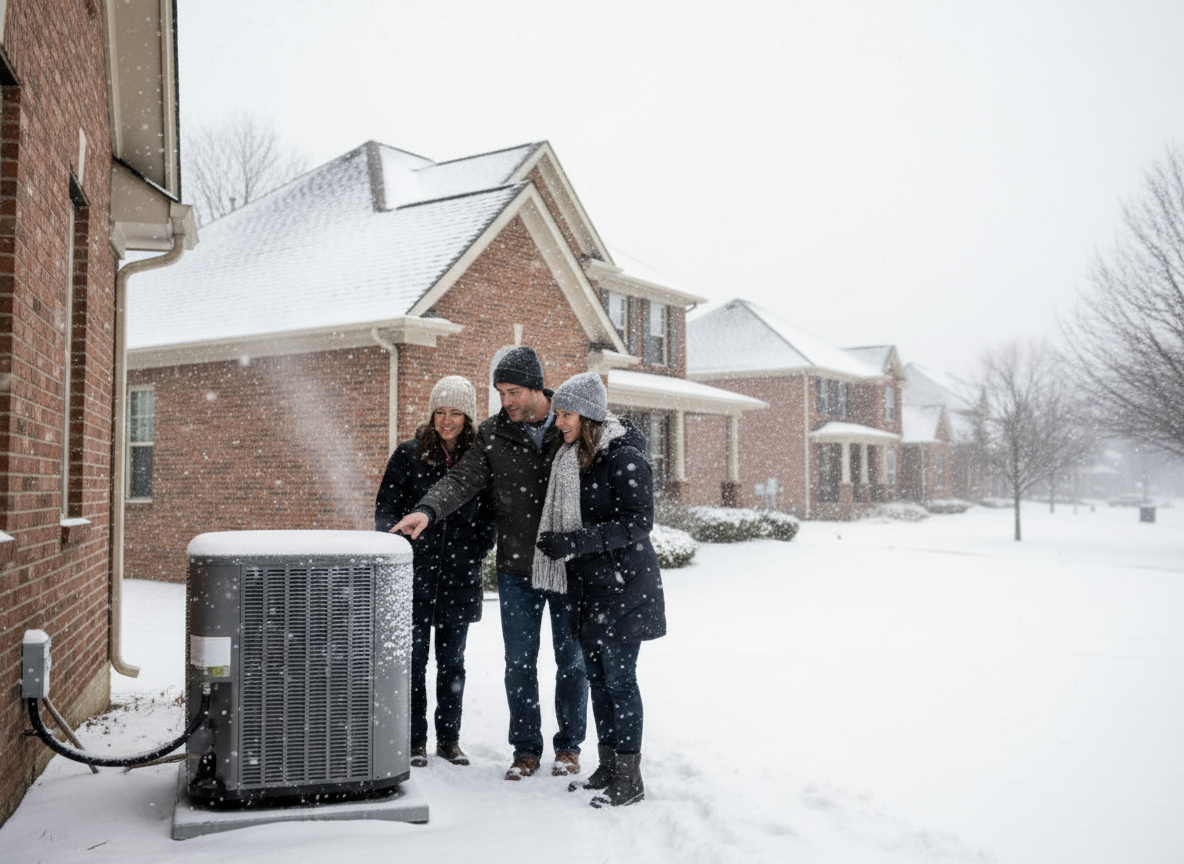
Dayton heat pumps typically maintain effective heating down to about 25°F before efficiency drops sharply and supplemental electric resistance heat engages, which is common during Montgomery County winters when overnight lows often reach single digits.
How Dayton Winters Affect Heat Pump Operation
The region's humid continental climate brings frequent swings between mild days and freezing nights, forcing heat pumps to cycle more often than in milder climates. In neighborhoods such as the Oregon District and South Park, many homes built before 1950 have single-pane windows and minimal wall insulation, so the outdoor unit works harder to extract heat from already cold air. This means the system may run the auxiliary heat strips for several hours each night when temperatures fall below 20°F, raising energy use noticeably compared with newer construction in Kettering or Beavercreek. Homeowners also notice frost buildup on coils during high-humidity days followed by rapid temperature drops, requiring the unit's defrost cycle to activate more frequently.
Supplemental Heat and Energy Use in Older Dayton Homes
Most heat pump systems installed in Dayton homes include electric resistance backup that automatically engages when the outdoor temperature drops below the balance point, usually set between 25°F and 30°F. In South Park and University Row, where many properties still rely on original ductwork from the 1920s, air leaks and poor insulation make the backup strips run longer, sometimes accounting for 30-40% of total winter energy consumption. Monitoring the thermostat's auxiliary heat indicator during a cold snap helps owners see exactly when this occurs. Adjusting the balance point slightly lower through proper controls can reduce runtime, but only if the home's envelope can retain the heat produced.
Maintenance Steps That Protect Performance
Clearing snow and ice from the outdoor unit after each storm prevents restricted airflow that forces longer defrost cycles. Checking and replacing the air filter every 30-45 days during peak winter use keeps the indoor coil from freezing over in homes around Downtown Dayton. Scheduling a heat pump repair visit before the first hard freeze allows technicians to test defrost sensors and reversing valves while the system is still accessible. These steps directly address the conditions created by Dayton's repeated freeze-thaw cycles rather than generic manufacturer guidelines.
When to Consider System Adjustments or Upgrades
Homes in the Oregon District often benefit from adding a cold-climate heat pump model rated for operation down to -5°F if the current unit is more than 12 years old. Pairing the system with a Winter Furnace Tune-Up ensures the backup heat source is ready without excessive short-cycling. Reviewing past utility bills from January and February reveals whether auxiliary heat is running more than 20% of total runtime, a common trigger for considering a variable-speed upgrade. Common Causes Of Uneven Heating In Older Dayton Homes explains how duct sealing in these same properties can reduce the load on the heat pump itself.
Practical Monitoring for Dayton Homeowners
Setting the thermostat to hold 68°F instead of 72°F during the coldest nights lowers the demand on both the heat pump and backup strips. Watching for ice accumulation on the outdoor unit after 2-3 consecutive days below 15°F signals the need for a service call rather than waiting for complete failure. Residents in University Row and nearby Beavercreek report that simple snow shields installed on the north side of units cut defrost frequency by roughly half during typical January weather patterns.